



ALKI — strength, learning, resilience.
ALKI takes its name from the ancient Greek Alkḗ, meaning strength and courage in moments of crisis. It is also our acronym: AI Learning and Knowledge Integration for Future-Ready Environmental Crisis Solutions.
Why this project, why now
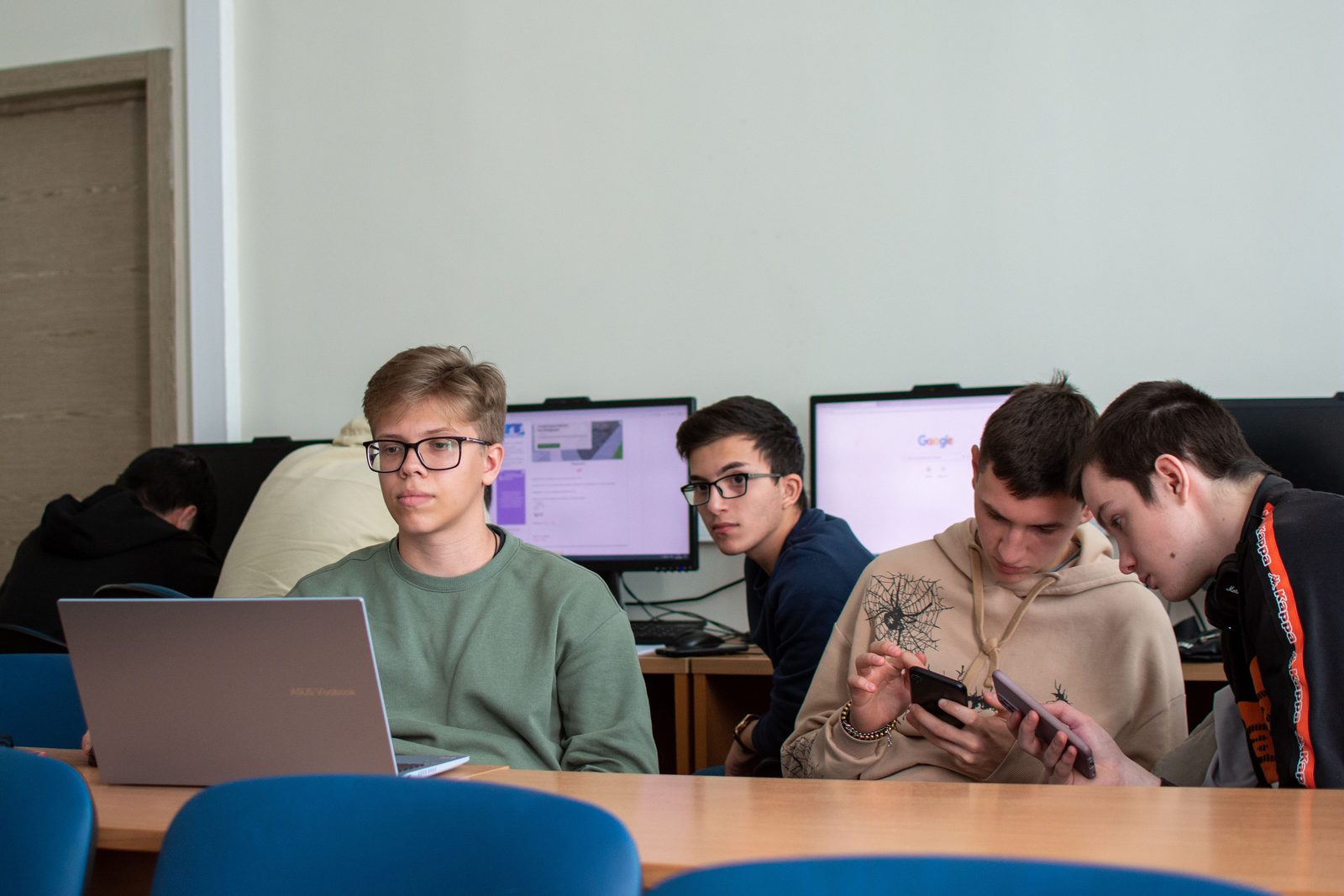
Climate change is making natural disasters more frequent and more severe. 2023 alone saw 399 catastrophic events worldwide (EM-DAT). The floods in Thessaly damaged 110+ schools and disrupted the lives of more than 100,000 students.
And yet, UNESCO data shows that only 53% of European curricula mention climate change, and a mere 2% address it meaningfully. AI tools that could help manage environmental crises remain almost entirely absent from formal education. ALKI is a direct response to that gap.

What we want to achieve
Diagnose the gap
Map what students and educators across Europe really know — and what they need — about disasters and AI.
Empower educators
Equip teachers with AI-enhanced strategies for preparedness, response and recovery — and the confidence to share them with peers.
Activate students
Turn 11–17 year-olds into co-creators of AI-driven solutions, with real soft skills: critical thinking, problem-solving, leadership and emotional resilience.
Scale across Europe
Build an open-access platform, a policy guidebook and a replicable model — so the work outlasts the project.

Who ALKI is for
ALKI works directly with students aged 11–17, with a focus on those from rural and disaster-affected areas; with teachers and educators who want to upskill in AI and crisis education; and with school networks, policymakers, NGOs and researchers across the EU.
What makes ALKI different
360° disaster education
We cover all phases of disaster management — preparedness, response and recovery — not just awareness.
A multiplier model
Trainers form educators, educators form colleagues, colleagues teach students — each level multiplies impact.
Real-time AI simulations
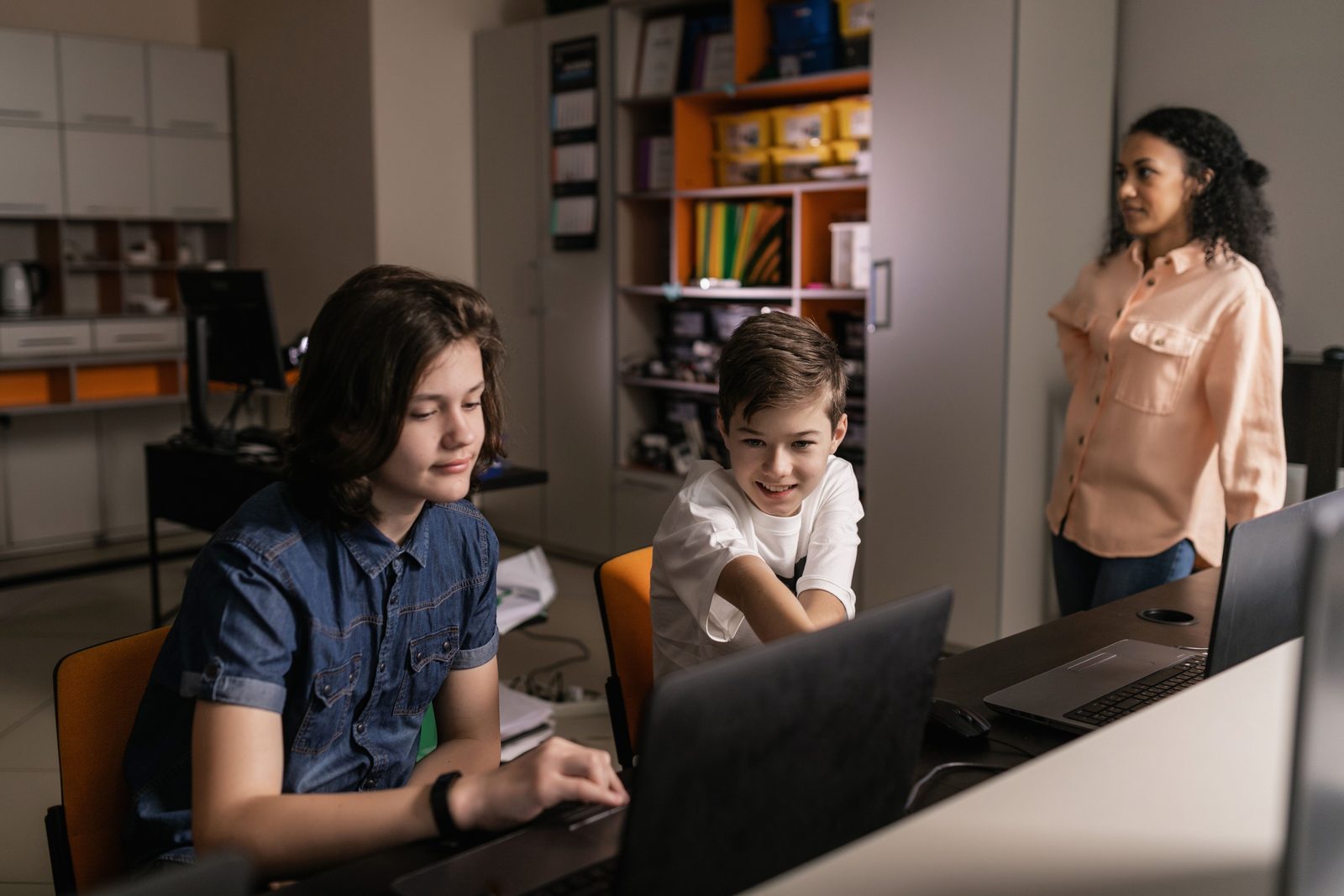
Interactive disaster scenarios let students practise decision-making, problem-solving and teamwork under realistic pressure.
School missions
Top student teams travel to disaster-affected communities to present their AI solutions and mentor peers — moving learning from the classroom to the field.
Open ALKI Academy
An open-access, multilingual hub that keeps the resources free and the community active well beyond the project's end.